

Dynamic Pricing in Retail: Your Guide to Smarter Price Management and Increased Sales with Zone X
Introduction: The Future of Smart Pricing in Retail
With the rapid development of the retail sector and increasing competition among stores, price management has become one of the key factors influencing sales, profitability, and customer experience. Relying solely on fixed pricing is no longer always sufficient to keep up with market changes, especially as demand levels, competitor prices, and product availability continue to fluctuate.
This is where dynamic pricing in retail comes into play as a modern strategy that helps retailers adjust product prices based on real-time data, including customer demand, sales performance, inventory levels, and seasonal promotions.
With the emergence of technologies such as Electronic Shelf Labels (ESL) and smart Point of Sale (POS) systems, implementing price changes in physical stores has become easier, faster, and more organized.
Through the technology solutions offered by Zone X, business owners can leverage sales management systems, inventory management solutions, and digital displays to improve pricing operations and enhance operational efficiency.
In this guide, we explore the concept of dynamic pricing, its key strategies and benefits, and how Zone X technologies can help businesses create a smarter and more efficient retail environment.
What Is Dynamic Pricing in Retail?
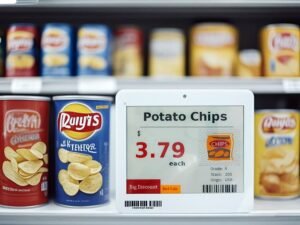
Dynamic pricing in retail is a flexible pricing strategy that adjusts product prices based on changing business conditions and market data rather than maintaining fixed prices for extended periods.
This strategy can use sales management systems, data analytics, and artificial intelligence tools to determine the most appropriate time to adjust prices in line with business objectives.
Key Factors That Influence Dynamic Pricing
- Customer Demand: Adjusting prices based on increases or decreases in product demand.
- Competitor Pricing: Monitoring market prices to maintain competitiveness.
- Inventory Levels: Offering discounts on excess inventory or slow-moving products.
- Seasons and Special Events: Creating targeted pricing strategies and promotional offers during holidays and seasonal shopping periods.
- Historical Sales Data: Using previous sales performance to understand product demand and purchasing patterns.
- Operating and Supply Costs: Reviewing prices when purchasing, transportation, or operational costs change.
Practical Example:
An electronics retailer has a large quantity of a particular product in stock, while sales reports indicate declining customer demand.
Instead of waiting until the end of the season, the store management can introduce a limited-time discount, update the price through its POS system, and display the new price on compatible electronic shelf labels.
This approach makes promotional management faster, more efficient, and better organized.
Why Is Dynamic Pricing Important for Retailers?
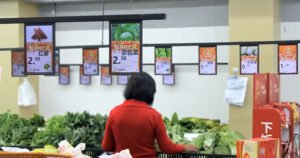
Dynamic pricing helps businesses make more flexible and informed decisions, especially when supported by accurate data and integrated management systems.
1. Improve Sales Opportunities
A dynamic pricing strategy allows retailers to introduce promotional offers that reflect market conditions and customer needs.
When demand for a specific product declines, carefully planned discounts can help stimulate sales and improve inventory turnover.
During periods of high demand, retailers can review prices based on target profit margins and operating costs while maintaining clear and transparent pricing for customers.
2. Reduce Slow-Moving Inventory
Many retailers struggle with products that remain in stock for long periods without generating sufficient sales.
Sales and inventory data can help identify these products and support decisions such as:
- Introducing limited-time discounts.
- Creating bundled product offers.
- Promoting seasonal merchandise.
- Reviewing purchasing and restocking plans.
These measures can improve inventory management and reduce the amount of working capital tied up in slow-moving products.
3. Strengthen Competitive Advantage
With online price comparisons becoming increasingly accessible, customers can easily search for the best available deals.
Sales analytics and competitor monitoring tools help retailers make more accurate pricing decisions without relying on random or unplanned price adjustments.
4. Reduce Operational Errors
Manually updating product prices can lead to discrepancies between shelf prices and those recorded at checkout.
Integrating product management systems, POS solutions, and compatible electronic shelf labels can help reduce these inconsistencies by keeping pricing information synchronized.
5. Enhance Customer Experience
When customers see clear, updated shelf prices that match the prices at checkout, the shopping experience becomes more convenient and trustworthy.
Well-organized promotions also help customers identify discounts and find suitable products more easily.
Top Dynamic Pricing Strategies in Retail
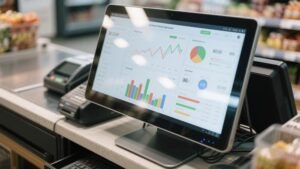
The most suitable pricing strategy depends on the type of business, product categories, and target customers.
1. Time-Based Pricing
This strategy involves changing prices during specific times or periods.
Example: A restaurant offers special discounts during off-peak hours to attract more customers.
2. Demand-Based Pricing
Prices are adjusted based on changes in customer demand.
Example: A fashion retailer reviews the prices of seasonal collections according to actual demand and sales performance.
3. Competitor-Based Pricing
This approach involves monitoring competitor prices and comparing them with product costs and target profit margins.
Example: An electronics store uses market data to set competitive prices without falling below its desired profit margin.
4. Inventory-Based Pricing
This strategy helps retailers move products with excess inventory or items approaching the end of their selling season.
Example: A supermarket offers discounts on selected food products approaching their expiration dates while complying with food safety regulations.
5. Promotional and Seasonal Pricing
Retailers introduce special offers during major shopping events and seasonal campaigns.
Examples include Saudi National Day promotions, White Friday sales, and back-to-school campaigns.
6. Bundle Pricing
Multiple products are offered together at a special combined price to encourage customers to increase their purchase value.
Example: A stationery store offers a package containing notebooks, pens, and school supplies at a lower total price than purchasing each item separately.
How Do Dynamic Pricing Systems Work in Retail Stores?
Successful dynamic pricing depends on accurate sales and inventory data, along with a clearly defined process for managing price adjustments.
The process typically includes the following steps:
- Data Collection: Record sales transactions, product prices, available quantities, and inventory movements.
- Performance Analysis: Identify best-selling products, slow-moving inventory, and promotional opportunities.
- Price Recommendations: Determine suitable prices according to the retailer’s pricing policies.
- Price Review: Ensure proposed adjustments comply with profit margin targets and applicable regulations.
- System Updates: Publish approved prices across POS systems and connected channels.
- Performance Measurement: Monitor how pricing changes affect sales, profitability, and inventory performance.
This process becomes more efficient when business management systems, POS solutions, and electronic shelf labels operate within an integrated technology environment.
The Role of Electronic Shelf Labels in Dynamic Pricing
Electronic Shelf Labels (ESL) are among the technologies helping retailers manage product prices more efficiently.
These small digital displays are installed on store shelves to show product prices and information, replacing traditional paper price tags.
Many electronic shelf labels use E-Ink technology, which provides clear readability while consuming relatively little power.
Key Benefits of Electronic Shelf Labels
Remote Price Updates
Retailers can update electronic shelf label information remotely through a connected management system instead of manually replacing paper labels.
Improved Price Accuracy
Integration with POS systems can help reduce discrepancies between shelf prices and checkout prices.
Time Savings for Employees
Instead of spending significant time printing and replacing paper price tags, employees can focus on customer service, merchandising, and other operational tasks.
Simplified Promotional Management
Compatible electronic shelf label systems allow retailers to display promotional prices and implement updates according to predefined schedules and policies.
Modern Store Appearance
Digital shelf labels create a clean, organized, and modern retail environment while presenting product information clearly.
Centralized Price Management
Depending on the technology and integration capabilities, retailers can manage electronic shelf label updates across multiple shelves, departments, or store locations.
Do Electronic Shelf Labels Automatically Determine Prices?
It is important to understand the difference between electronic shelf labels and dynamic pricing systems.
Electronic shelf labels are primarily responsible for displaying product prices, while pricing decisions are determined by management systems, pricing algorithms, or retailer-defined policies.
With appropriate integration, approved pricing changes can be automatically synchronized with electronic shelf labels.
Through Zone X, retailers can explore electronic shelf label solutions and related technologies for managing product information and sales operations according to their business requirements.
How Can Zone X Solutions Improve Retail Price Management?
Zone X provides technology solutions for businesses across Saudi Arabia, combining software systems, hardware, and IT infrastructure to help organizations improve their daily operations.
Its retail-related solutions include the following:
1. Point of Sale (POS) Systems
POS systems help retailers manage everyday operations, including:
- Recording sales transactions and issuing invoices.
- Managing product prices.
- Monitoring inventory movements.
- Generating sales reports.
- Organizing operations across multiple branches.
When sales information is properly organized, businesses can make more informed pricing decisions.
2. Inventory Management Systems
Inventory management systems help businesses monitor available stock, product movements, and sales performance.
These insights make it easier to identify slow-moving products and best-selling items.
Inventory reports can also support promotional planning and pricing decisions.
3. Odoo Systems
Odoo Systems provide an integrated environment for managing various business operations, including sales, inventory, accounting, and purchasing.
With suitable configurations and integrations, Odoo can help centralize product information and pricing data, making business performance easier to monitor and manage.
4. Electronic Shelf Labels (ESL)
Electronic shelf labels help retailers display product prices and information directly on store shelves.
They also support electronic price updates according to the capabilities of the selected system.
These solutions are particularly valuable for stores managing large product catalogs or frequently changing prices.
5. Digital Advertising Screens
Zone X offers Digital Signage Management Systems that help businesses organize advertising content, schedule promotional campaigns, and manage digital screens remotely.
Retailers can use these solutions to display:
- Product promotions and discounts.
- Seasonal marketing campaigns.
- Newly launched products.
- Department-specific advertisements.
- In-store marketing and promotional content.
By combining sales management, inventory systems, and digital signage, retailers can create a more organized and connected shopping experience.
Contact Zone X
Looking to modernize your retail operations and improve the way your business manages pricing, inventory, and sales?
Zone X offers technology solutions designed to help businesses streamline operations and build smarter retail environments.
Whether you need POS systems, inventory management solutions, Odoo systems, electronic shelf labels, or digital signage, Zone X can help you explore the technologies that best match your business requirements.
Contact Information
- Company: Zone X
- Phone: +966 54 116 8537
- Email: sales@zonex-pro.com
- Website: https://zonex-pro.com/
- Address: Al Olaya Street, Al Shafi Building, Saudi Arabia.
Zone X – Your Path to Technology.
